Flasks Out, Boards Down: Why a Free Skate Jam Is Winter’s Friendliest Touchline
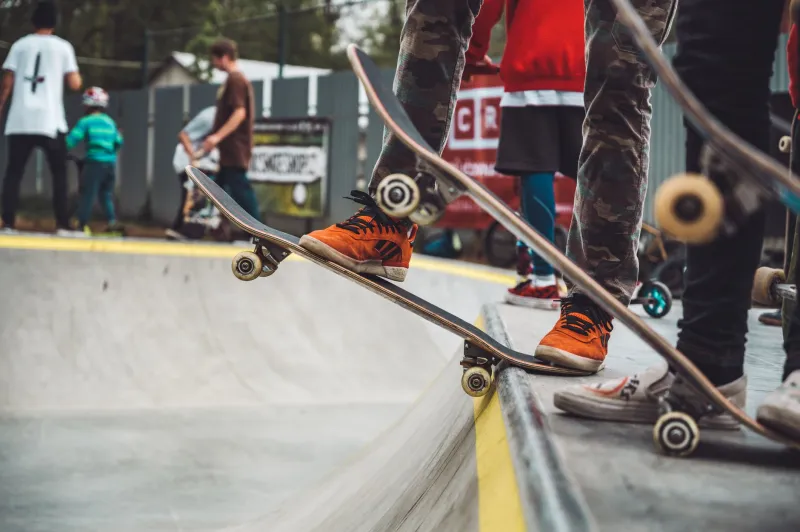
There is a particular sound to a British skate jam in winter. It is not just the clack of a tail hitting coping or the rumble of wheels across concrete. It is the kettle. Somewhere behind the ramps, usually near a folding table held down by a biscuit tin, someone is brewing up for a shivering parent in a padded coat. That, more than any sponsored banner, is the signal that you have found the right kind of free skate session.
Skateboarding has a reputation for being loud, fast and a bit intimidating to outsiders. The reality at community-run jams is often closer to a village fete with grip tape. Teenagers queue for a go on the mini-ramp, veterans swap stories about old decks, and somebody’s mum is handing out flapjack like it is a cross-country race. In 2026, with so many days out feeling priced beyond reason, these free sessions are one of the smartest winter spectacles Britain keeps overlooking.
What actually happens at a free skate jam?
A skate jam is less formal than a competition and more organised than a random afternoon at the park. Local groups, skate shops or park trusts put out a call, usually on social media, and people turn up. There might be a best-trick comp, a beginner’s roll-in session, a mini-ramp demo or a longest-manual contest that descends into cheerful chaos. There is often music, sometimes a raffle, and almost always someone with a first-aid kit and a very calm manner.
The best events are the ones that make room for everyone. You will see a seven-year-old in a helmet that looks too big, a forty-something rediscovering the board in the garage, and a local ripper who can kickflip a set of stairs without appearing to try. The crowd is a mix of skaters waiting their turn, mates filming on phones and spectators who came for ten minutes and stayed for two hours.
Where to find them in 2026
You will not find most skate jams on a big ticketing website. Start with the places closest to home: local authority skateparks, community-owned ramps, leisure centre noticeboards and independent skate shops. In 2026, the most reliable listings tend to appear on park-run Instagram accounts, local Facebook groups and the events pages of skate charities or regional clubs. If your town has a concrete bowl or a few ledges behind the leisure centre, there is a decent chance somebody is organising something there this winter.
Look out for phrases like “open jam”, “beginner welcome”, “all wheels welcome” and “spectators free”. Some sessions are aimed at under-16s, some at women and non-binary skaters, and some at families. Indoor winter jams do exist, often in warehouses or sports halls, but the classic free-to-watch option is still the outdoor park. Wrap up, bring a flask and treat the weather as part of the entertainment.
A first-timer’s guide to standing on the sidelines
The etiquette is simple. Stand clear of the run-up and landing areas, keep bags out of the way and cheer when somebody lands something they have been trying all afternoon. Do not walk across the middle of the park while someone is mid-run. Ask before you film or photograph anyone, especially younger skaters. And if you are not sure where is safe, copy the locals: they will have found the one spot that is out of the way but still close enough to see the action.
You do not need to know your kickflip from your heelflip to enjoy it. Half the pleasure is watching the progress. A beginner finally standing up on the board gets a louder cheer than a technical trick from the resident expert. The veterans know this, which is why they tend to be the first to clap.
Why the flask-and-foldaway-chair crowd matters
Skate parks can look like hard places from the outside: concrete, graffiti, teenagers moving quickly. But the winter jam crowd softens all that. Parents in camping chairs, dog walkers pausing at the fence, friends with hot chocolate and a group of skaters sharing a bag of chips. It is not a formal spectator sport. There are no turnstiles, no programme and no stewards telling you to sit down. That is exactly the appeal.
It also makes for a genuinely inclusive afternoon. You can turn up alone, watch for a bit, ask a polite question about the ramp and leave with a rough idea of when the next session is. Nobody is checking your knowledge or your kit. The only real requirement is that you do not stand in the landing zone.
The winter bonus
There is something pleasantly stubborn about skating in November. The light goes early, the concrete gets cold, and the thermos comes out. Yet the parks still fill up, because skateboarding is not really a fair-weather hobby. A free winter jam is a reminder that the best grassroots sport does not need a roof, a ticket office or a big sponsor. It needs a few people willing to organise, a few more willing to show up and a brew going somewhere in the background.
So if you are looking for a free afternoon out in 2026, look for a local jam. Take a flask, stand clear of the run-up and be ready to clap for someone who has been trying the same trick since October. The kettle will do the rest.