Courtside Cocoa: The Free Indoor Netball Habit Worth Building This Winter

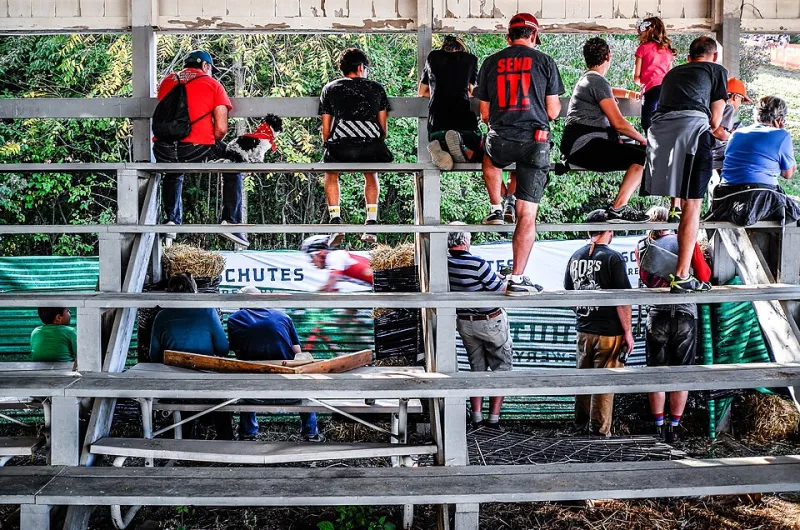
Photo: local netball match indoors sports hall balcony spectators UK, via 618media.com
There is a particular sound to a British sports hall on a Saturday morning: trainers squeaking, a bib bag being tipped out, a whistle that is slightly too loud, and someone on the balcony asking whether the tea urn is on yet. It is not the Premier League. It is not supposed to be. It is grassroots netball, and it is one of the warmest free winter watches going.
For fans brought up on turnstiles and touchlines, netball can feel like a well-kept secret. The action happens indoors, the crowds are small but committed, and entry to most local league fixtures costs precisely nothing. In 2026, with plenty of us watching the pennies and looking for ways to keep weekends lively without a £60 ticket, the local sports hall deserves a place on the fixture list.
Find a fixture without needing a secret handshake
Grassroots netball is not always advertised like a night at the dog track. That is part of its charm, but it does make the first visit a little detective work. Start with your county netball association or regional England Netball page—many list local leagues, venues and contact details. Leisure centre timetables are another good shout: if a hall is booked for “netball league” on a Saturday morning, there is usually a spectator balcony and a willing committee member who can tell you more.
Club social media is the quiet hero here. Local teams often post fixtures, results and the occasional plea for subs. You do not need to message a stranger and ask for a formal invitation; a quick “can anyone come and watch?” usually gets a friendly yes. If you are unsure, turn up ten minutes before a scheduled start and ask at the desk. Most leagues are delighted that someone has chosen to spend their morning there rather than in a retail park.
One practical note: not every league runs a public spectator gallery, and some fixtures are played in smaller halls. Check before you travel. But where there is a balcony, there is usually space, and where there is space, nobody is going to ask you for a ticket.
The balcony code: clap, don’t coach
Spectator etiquette at local netball is refreshingly simple. Sit or stand behind the rail, keep the walkway clear, and remember that you are watching sport, not delivering a tactical masterclass. The umpires are often volunteers or players giving up their own match time. They deserve the same courtesy as anyone in charge of a Sunday league game: no barracking, no sarcastic comments, no shouting “offside” at a sport that does not have one.
Applause works both ways. A clean interception, a brave bounce pass and a shooter who holds their nerve under the post all merit a clap, whichever bib is involved. Bring a coat for the walk in, but expect to shed layers once the hall heats up. Bring a flask if you like, but check whether the venue allows drinks on the balcony. And if you have children with you, keep an eye on the stairwells—sports halls are echo chambers, and a bored toddler can make more noise than a whole crowd.
Photography is best kept low-key. A phone snap of the scoreboard is fine; a flash in a shooter’s eyeline is not. If you want to film, ask first. Grassroots sport is friendly, but friendly does not mean fair game.
Why the indoors makes it a winter winner
This is the bit that seals it. Netball in winter is not a test of endurance. You are not standing on a frozen touchline wondering whether your toes have filed a complaint. You are warm, dry and seated, with toilets, a cafe and usually a bus stop within walking distance. For older fans, people with mobility issues, or anyone who simply refuses to spend another Saturday shivering through a 0-0, that matters.
The hall itself is part of the spectacle. The game is fast, close and easy to follow: seven players a side, three thirds, shooting circles at each end. You can learn the rhythm in ten minutes. The ball moves quickly, the bibs tell you who is who, and the scoreboard usually has the decency to be visible. It is accessible sport in the literal sense, and that is a rare thing.
Nicknames, netball brains and the post-match coffee
Grassroots netball has a culture all of its own. Team names range from the sensible to the slightly unhinged: pub-based puns, workplace in-jokes, and the occasional name that suggests the committee lost a bet. Players wear bibs with positions that sound like job titles from a very energetic office—wing attack, goal defence, centre. The shout of “through the third” or “give and go” is not gibberish; it is the local dialect of a sport that rewards timing and teamwork.
Then there is the post-match ritual. In many leagues, the final whistle is followed by a quick handshake, a debrief and a coffee from the leisure centre cafe. Stay for one and you will hear more about the game than any pundit could offer. You will also see why the crowd is small but loyal: these are people watching friends, daughters, colleagues and rivals, and the atmosphere is built on familiarity rather than fanfare.
Make a morning of it
Go once, and you will notice the small details: the pre-match bib shuffle, the umpire checking the goal post, the subs warming up in the corridor. Go twice, and someone will nod at you. By the third visit, you will have a favourite team, a least favourite umpiring decision and a strong opinion on the tea.
That is the quiet magic of local netball. It asks nothing of you except a Saturday morning and a bit of respect. It gives you warmth, noise and a proper look at sport being played for the joy of it. In 2026, that is a free winter habit worth building.