The Back-Room Bullseye: Why Your Local Darts League Is the Midweek Ticket You Can’t Buy
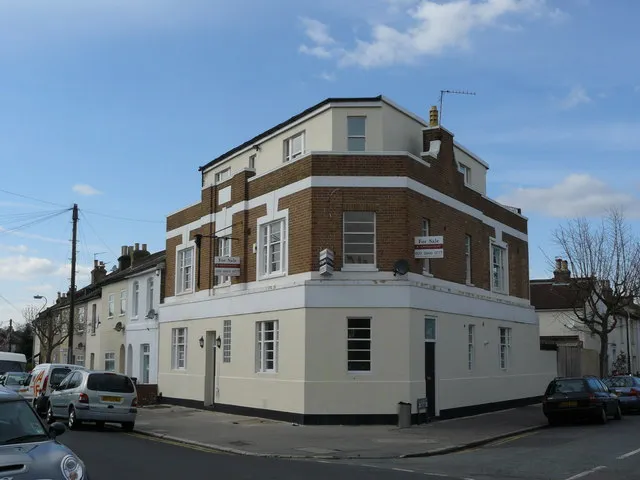
Photo: Peter Trimming, CC BY-SA 2.0, via Wikimedia Commons
Midweek sport in Britain usually means a floodlit stadium, a train delay and a ticket app that wants your soul. Pub darts offers the opposite. Walk into the right social club on a Tuesday or Wednesday, buy a pint, and you are already in the front row. No turnstile. No ticket office. No corporate announcer telling you to make some noise. Just two teams, a board, a chalker and a room full of people who know exactly how much this match matters.
That is the quiet appeal of Britain’s pub darts leagues in 2026. They are not trying to be television. They are not selling hospitality packages. They are simply the best free midweek sporting theatre most towns have, and they have been running under our noses for decades.
The oche is closer than you think
Most people associate darts with arena crowds, fancy walk-ons and a camera cutting to a celebrity in the front row. The local league is a different animal. It lives in function rooms, working men’s clubs, rugby club bars and pubs with a spare corner and a dartboard that has seen a few things. The lighting might be slightly wonky. The scoreboard might be a whiteboard with a fading league table taped beside it. The atmosphere, though, is rarely short of brilliant.
In many areas, winter league fixtures run from September through to spring, with teams representing pubs, clubs and social groups. Some leagues are mixed, some have separate divisions, and many welcome players of wildly different standards. You will see a former county player warming up with a calm that suggests he has done this a thousand times, and you will see someone who has been drafted in at the last minute trying not to hit the light fitting. Both get the same applause if they nail a double.
What a league night actually looks like
A typical evening has a wonderful rhythm to it. Players arrive early to practise, the home team fusses over the board and the chalk, and someone tries to work out whether the walk-on music is coming from a phone or the pub’s ancient sound system. Teams are usually small, but the crowd can swell once the regulars realise there is a match on. A few pints get pulled. Crisps get opened. The first leg begins.
The darts itself is only part of the show. The chat is just as important. There are running jokes about last season’s missed doubles, mock outrage at a lucky bounce-out, and the sort of gentle sledging that only works when everyone has known each other for years. When a player hits a 180, the room reacts as if the roof has lifted. When someone flukes a double, there is usually a cheer and a demand for a rematch. It is competitive, but it is not precious.
That is the thing newcomers notice first. Pub darts can be noisy and cramped, but it is also welcoming. Nobody is checking your credentials at the door. If you turn up to support a team, you are part of the night. If you ask a sensible question about the rules, someone will explain. If you stand in the wrong place while a player is throwing, you will be moved on with a smile and a reminder that the oche is not a spectator zone.
Finding a board near you
Start local. Pub noticeboards still work. Ask behind the bar at your nearest social club or sports club. Look for league tables pinned up near the dartboard, or for team names that sound like they were invented after three pints. Council leisure centres, working men’s clubs, Royal British Legion branches and rugby clubs are all worth checking. Many leagues also have a basic online presence, even if it is just a fixtures page and a contact number for the secretary.
The simplest route is to ask a darts player. They are not hard to find. Most towns have at least one pub where the same group gathers on a weeknight, and most of those groups are happy to point you towards a team that needs players or supporters. You do not have to commit to playing. Watching is free, and it is a perfectly good night out.
Why it belongs beside the better-known grassroots giants
Grassroots sport gets its credit in grand settings: village cricket on a sunny afternoon, Sunday league football on a mudheap, rugby clubs with a third half that lasts longer than the match. Pub darts deserves the same respect. It is local, repeated, affordable and built on the same social glue. It gives a back room a purpose on a cold Tuesday. It turns a quiet pint into a reason to stay for one more. It gives people a team to belong to without asking them to buy a season ticket.
It is also a reminder that not every great sporting occasion needs a big build-up. The league night is not glossy. The seating is not ergonomic. The car park might be a bit of a squeeze. But the sport is real, the rivalry is real, and the welcome is usually warmer than anything you will find behind a corporate barrier. In a country full of expensive days out, that counts for something.
A few house rules for first-timers
Buy a drink, find a spot out of the throwing line, and keep quiet when someone is at the oche. Applause is welcome; mid-throw advice is not. Ask before taking photos, especially if players are mid-match. Do not touch the scoreboard unless you are asked. And if you are invited to throw a leg, say yes. You will probably be terrible. Nobody will mind.
The last leg
Britain’s pub darts leagues are not trying to compete with the arena game. They do not need to. They offer something rarer: a free, weekly, local sporting night with actual stakes and actual characters. The darts is sharp, the pints are cheap, and the theatre is happening whether you buy a ticket or not. This winter, find your nearest league night. Stand near the chalkboard. Watch the first leg. You will understand the appeal by the time the first 180 lands.