Masks, Blades and a Brew: The Free Fencing Night That Makes Winter Feel Civilised
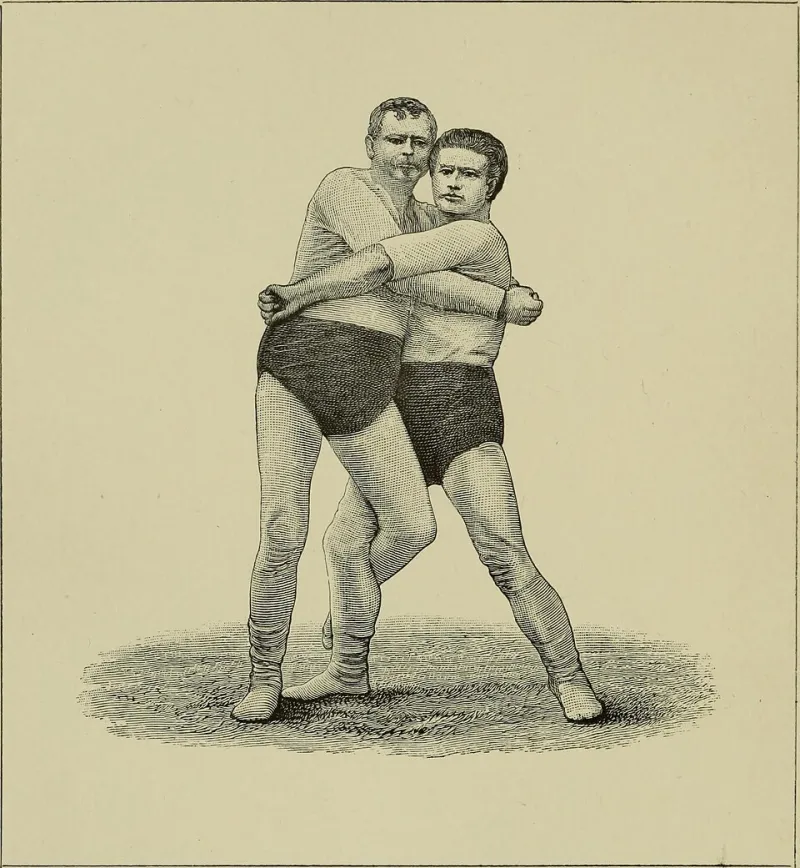
Photo: Internet Archive Book Images, No restrictions, via Wikimedia Commons
Winter has a habit of shrinking your social life to the sofa and the nearest radiator. But there is a free night out hiding in a sports hall near you, and it comes with masks, wires, strip lights and a tea urn. Local fencing clubs across the UK run open nights, beginner sessions and low-key team bouts that are open to spectators, and in 2026 they remain one of the best-value winter watches going. You do not need a ticket. You do not need to know your épée from your elbow. You just need to turn up, find a folding chair and enjoy the strange, polite theatre of two people trying to touch each other with a metal stick while everyone else watches in respectful silence.
First, relax: nobody is expecting you to duel
A club night is not a West End show. It is a working sports hall: bags piled by the wall, a scoreboard that may or may not be fully reliable, coaches calling across the room and fencers warming up with skipping ropes and lunges. The atmosphere is usually closer to a village hall quiz than a gladiator arena. That is the charm. You are watching grassroots sport at its most unpolished and most welcoming.
If you are new, check the club’s social media or website for open sessions. Many clubs welcome spectators for free, especially at beginner nights, junior sessions and local league matches. Bring a warm layer — sports halls are not famous for their tropical climate — and perhaps a few coins for the tea urn. You will not be asked to sign a waiver or wear a cape. A quiet hello at the door is usually enough.
Foil, épée and sabre in plain English
Fencing has three weapons, and the quickest way to enjoy watching is to know what counts as a target.
Foil is the lightest weapon. The target is the torso only — front and back — so you will see fencers bouncing around trying to protect their body while keeping their arms and head out of range. Foil uses priority rules, which is fencing-speak for deciding who was attacking when both lights go on. If that sounds complicated, do not worry: the referee will usually explain the decision with a hand signal and a few words.
Épée is the heaviest weapon and the simplest to follow. The whole body is a target. There are no priority rules, so if both fencers hit each other within a fraction of a second, both score. This makes épée bouts feel a little more like a tense chess match with steel.
Sabre is the fast one. It is a cutting and thrusting weapon, and the target is everything above the waist, including the head and arms. Sabre bouts are loud, quick and full of forward pressure. If you only remember one thing, remember this: foil is torso only, épée is all of you, sabre is everything above the waist.
Scoring without a spreadsheet
Club bouts are usually short. You might see pool bouts fenced to five touches, or team matches fenced to a higher number. The electronic box lights up when a hit lands, and the referee calls halt to stop the action. You will hear en garde, prêt, allez — on guard, ready, go — and then a burst of movement that is over almost before you have followed it.
Do not try to referee from your chair. The referee has the angle, the rules and the responsibility. Your job is to enjoy the action, clap the good touches and save your questions for the gaps between bouts. If a decision looks baffling, it probably is baffling to at least half the room as well. That is part of the fun.
The etiquette is the point
Fencing is a combat sport with very good manners. Fencers salute before and after a bout, shake hands and usually thank the referee. Masks stay on during action, weapons are carried point-down and nobody wanders across the piste while a bout is live. Spectators are part of that polite ecosystem. Stay behind the designated boundary, keep bags clear of the piste and do not walk between the fencers and the scoreboard while they are mid-bout.
When should you cheer? After a touch, after a halt, after a particularly good bit of footwork. A warm round of applause for both fencers is always welcome. What you should avoid is shouting tactical advice, roaring during the action or treating a club night like a football terrace. Fencing crowds tend to be appreciative rather than partisan. A sharp bit of blade work deserves a clap; a clumsy collision deserves a sympathetic wince.
Where to stand, and why the tea urn matters
Find a seat behind the end of the piste or wherever the club has set out chairs. Do not stand alongside the piste within the run-off area — fencers move fast and personal space matters. If you are unsure, ask a coach or club volunteer where spectators usually sit. They will point you towards the safest and best view, which is often a plastic chair with a slightly wobbly leg.
The tea urn is not a joke. It is the social heart of the evening. Parents, coaches, injured fencers and curious locals gather around it, and the chat is often as good as the sport. Bring your own mug if you want to feel like a regular, or accept the offered biscuit and settle in. This is where you will hear about the club’s beginner course, the next home match or the mysterious fencer who once beat a national champion in a warm-up bout. Free sport does not get more grassroots than this.
Why it works as a winter watch
A fencing club night is warm, dry, local and short enough to fit around a normal Thursday. It is free to watch, easy to reach and rarely packed. You will see teenagers, students, parents and veterans all sharing the same hall. You will hear the squeak of trainers, the tick of blades and the occasional cheer when a long rally finally ends. It is drama without the price tag, and manners without the stuffiness.
The Free Sports UK take is simple: winter needs low-stakes rituals. A local fencing night gives you one. Check the club calendar, turn up on time, clap politely and leave knowing the difference between foil and épée. You may not leave as a fencing expert, but you will leave with warm hands, a new respect for footwork and a strong opinion about which biscuit belongs next to the tea urn.