Beyond the Boundary: A Deckchair Guide to Britain’s Free Village Cricket Summer
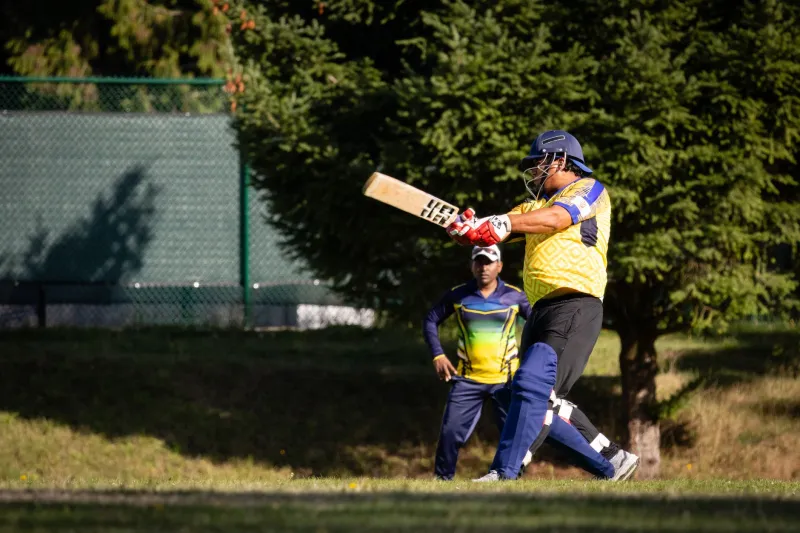
Village cricket does not announce itself with a fanfare. It announces itself with the clatter of a kit bag, the squeak of a boundary rope being dragged into place and a volunteer asking whether anyone has seen the stumps. In 2026, when a family day out can cost the price of a small holiday, that is worth celebrating. You can watch club cricket for nothing, sit under a tree, drink tea from a urn and let an afternoon unfold at its own pace. It is not a lesser version of the professional game. It is a different pleasure altogether.
The fixture is closer than you think
Finding a village cricket match is not difficult, but it does require a little old-fashioned detective work. Start with the league websites and the ECB Play-Cricket pages that most clubs use to publish fixtures and results. Then check club social media accounts, parish newsletters, the local paper and the noticeboard in the pub. Ask at the village shop. Ask the person walking a dog past the ground. In many places the fixture list is still passed around like a secret, which is part of the charm.
Do not limit yourself to Saturday league cricket. Sunday friendlies, midweek Twenty20 matches, colts games and women’s and girls’ fixtures are often free to watch and frequently more relaxed. A midweek evening game under lights, with a barbecue going and children playing on the boundary, is one of the great free sporting occasions. If you are new to an area, look for the ground before you look for the team. A mown square, a sight screen and a clubhouse with a noticeboard will usually lead you to a fixture.
Pack like a loiterer, not a tourist
The beauty of village cricket is that you do not need much. A folding chair or a blanket is essential. So is a hat, sunscreen and a layer for later, because a British afternoon can turn at tea. Bring water, a flask if you are that way inclined, and cash for tea, cake and the raffle. Midge repellent is not an overreaction in some parts of the country. Binoculars are optional, but a scorebook or a pencil is a nice way to feel involved without pretending to be an expert.
What you do not need is a drone, a megaphone or a running commentary. Village cricket is not a stadium experience and it does not want to be. Dogs are often welcome, but check first. Children are almost always welcome, provided they are not retrieving balls from the square mid-over. The dress code is whatever you were wearing when you decided to leave the house. Nobody is checking.
Learn the rhythm of a day
A village cricket match has its own tempo. The first hour is for settling in: players arriving, the square being marked, the away team looking for the changing room. Then comes the opening spell, the early nerves and the first boundaries. A drinks break arrives. The middle overs drift into a pleasant rhythm. Someone brings out a deckchair. A dog barks at a passing cyclist. The scorebook ticks along.
Tea is the interval, but it is also the point. In club cricket, tea is not a concession stand. It is a civic event. Urns are filled, plates are passed around, volunteers fuss over sandwiches and cakes. Buy something, even if it is just a cup of tea. The money goes back into the club, and the welcome goes back into you.
The second innings brings its own story. A chase, a collapse, a stubborn partnership, a bowler who suddenly cannot miss. You do not have to follow every ball. That is the point. You can look up when the crowd noise changes, then go back to your book. The last hour is often the best, because the light softens and the game narrows to a few people willing it over the line.
The clubhouse urn is the civic heart
Every village club has a version of the same scene: a clubhouse that smells faintly of disinfectant and toast, a noticeboard of fixtures and raffle winners, a fridge full of cans, a urn that has seen things. The urn is not a metaphor. It is the reason the club exists. Somebody is boiling the kettle while somebody else is marking the scorebook. The boundary rope is held together with tape. The sightscreen has a wonky wheel. It all works because people turn up.
If you enjoy yourself, buy a raffle ticket. Put a pound in the honesty box for your tea. Ask whether the club needs help with the ground, the teas or the colts. Free to watch does not mean free to run. Grassroots sport is held together by small acts of generosity, and spectators are part of that ecosystem. You do not have to become a member. But if you come back three times, you probably will.
Where to sit, and how to behave
Under a tree is the classic. Beside the boundary rope is good if you want the murmur of conversation. Behind the bowler’s arm is for people who take their cricket seriously. Wherever you sit, keep clear of the square, return any ball that comes your way and clap good cricket from both sides. Do not coach the players, umpire from your chair or offer unsolicited advice to the teenager bowling the last over. Village cricket is friendly, but it is still cricket.
If you take children, pick a spot with a bit of space and keep an eye on the hard ball. If you take a dog, keep it on a lead near the boundary. If it rains, the clubhouse will probably still be open. Rain is part of the fixture list too.
Make a day of it
One of the joys of village cricket is that the ground is rarely the only thing in the village. Walk there if you can. Stop at the pub. Look at the church. Buy something from the shop. The match is the anchor for a slower kind of day, the sort that costs very little and gives back a lot. In 2026, that is not a small thing.
Village cricket is Britain’s best summer loiter because it asks nothing of you except presence. Bring a chair. Bring cash. Bring patience. The urn will be on, the scorebook will be open and the afternoon will take care of itself.